
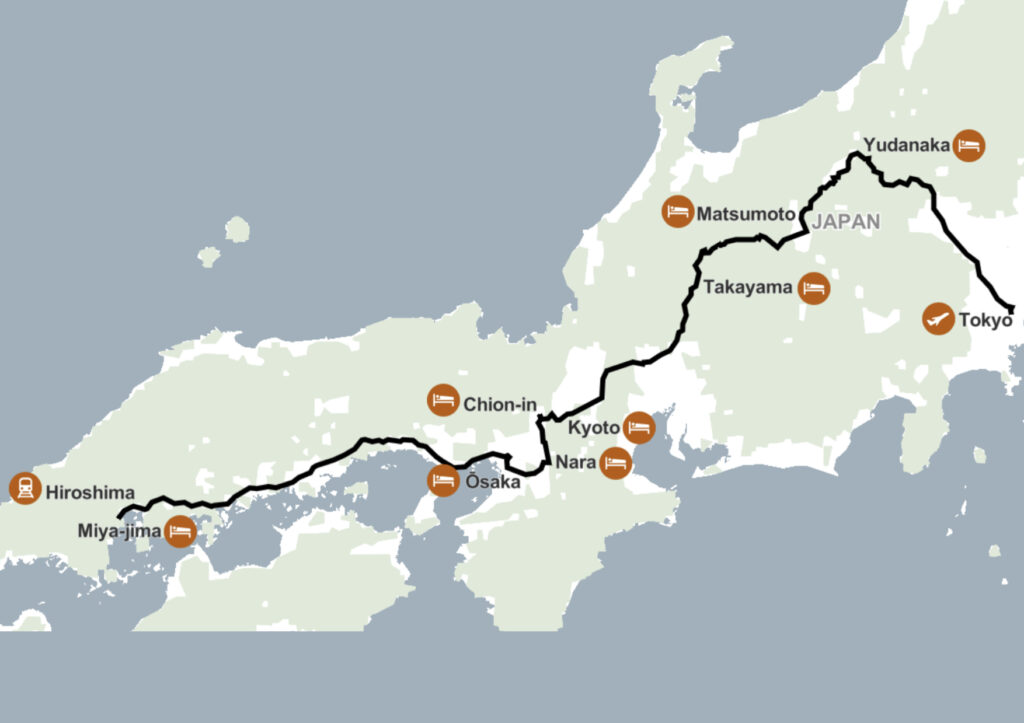
Tokyo, Nikkō, Yudanaka, Matsumoto, the Japanese Alps, Kyoto, Nara, Osaka, Miyajima, Hiroshima
The Spirit of Japan
- 18 Days
- From 15,700
- Japan
- Moderate
Moderate: Designed for hikers with some experience, offering longer trails and varied terrain.
Highlights
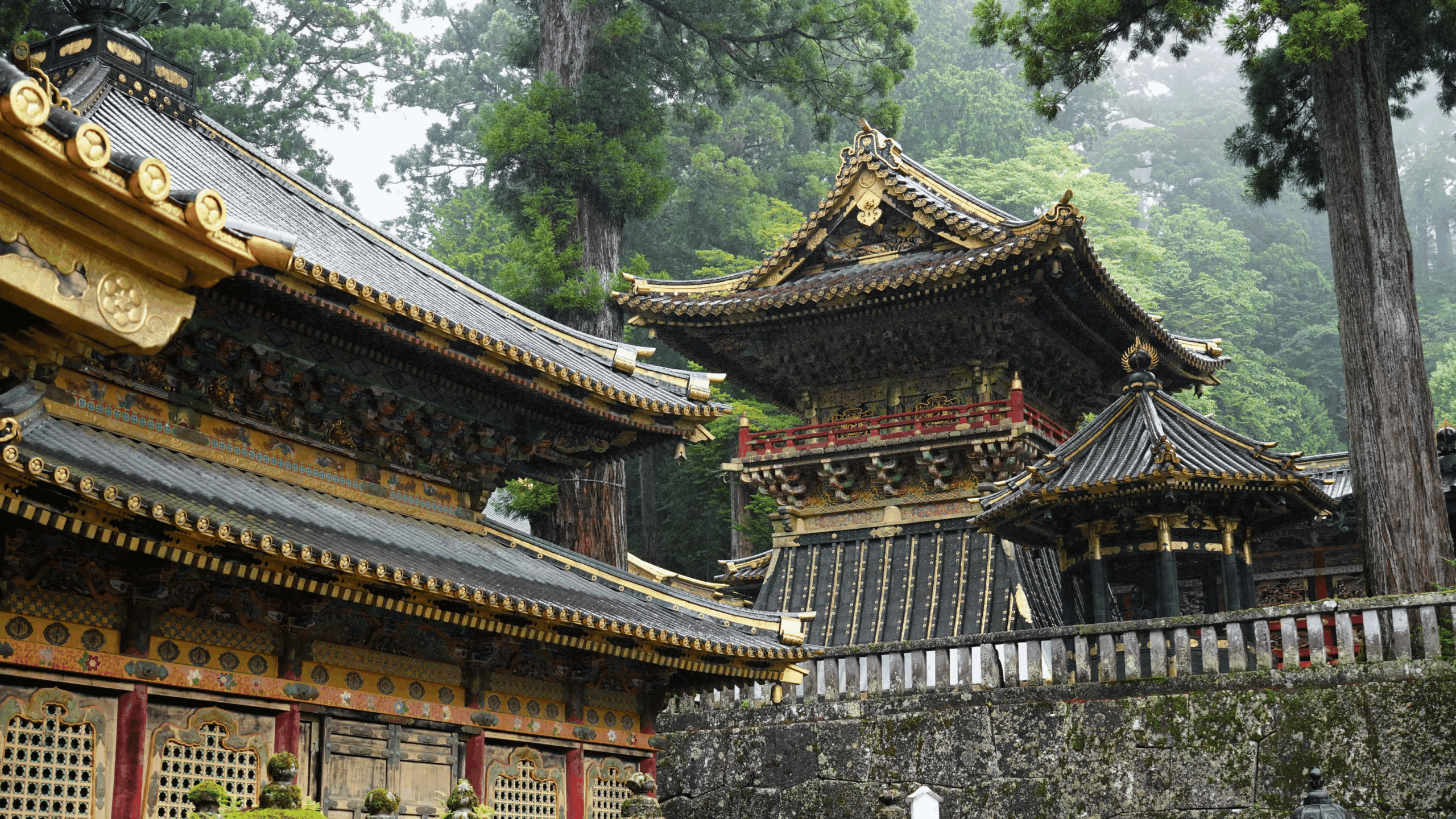
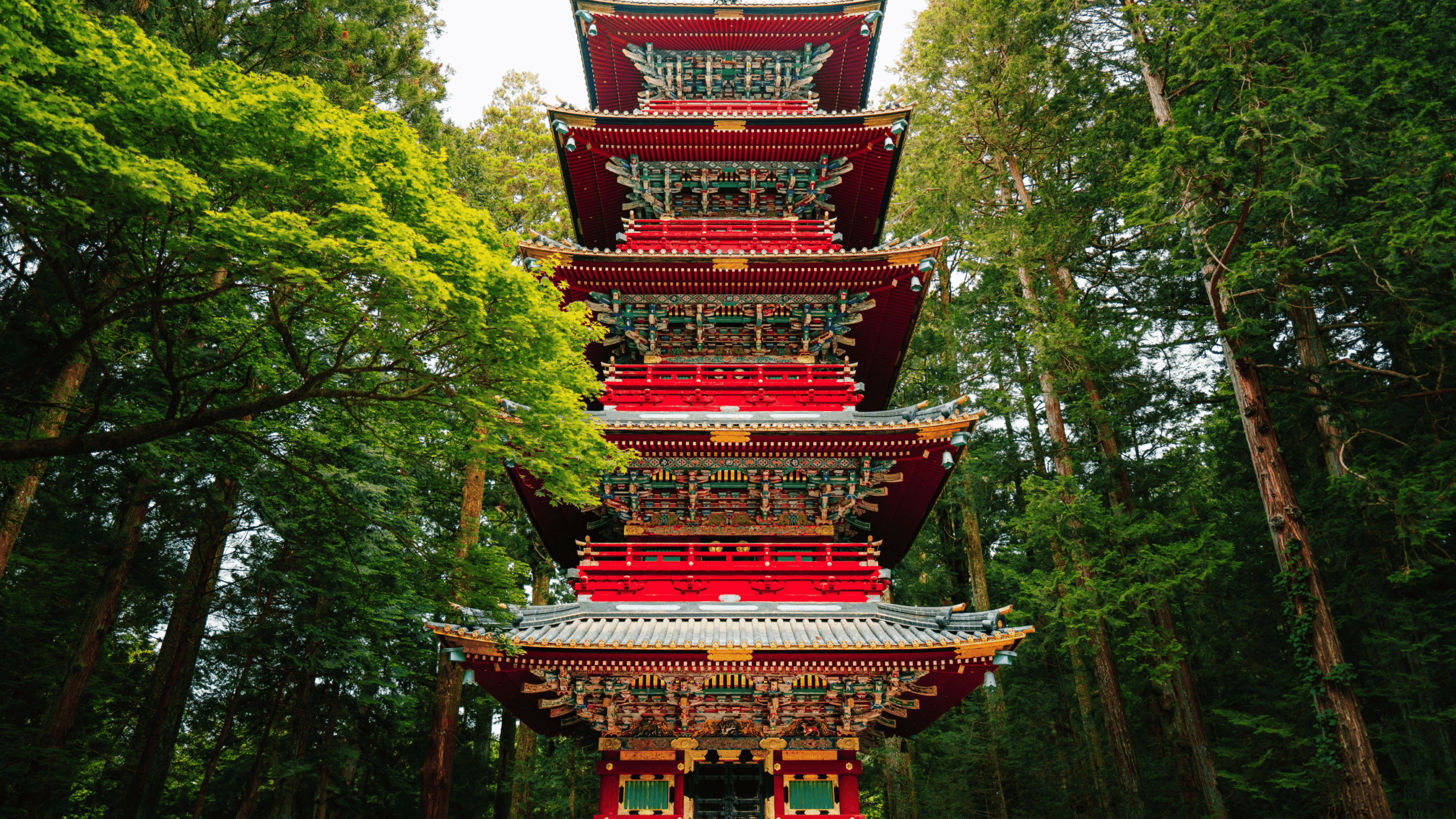
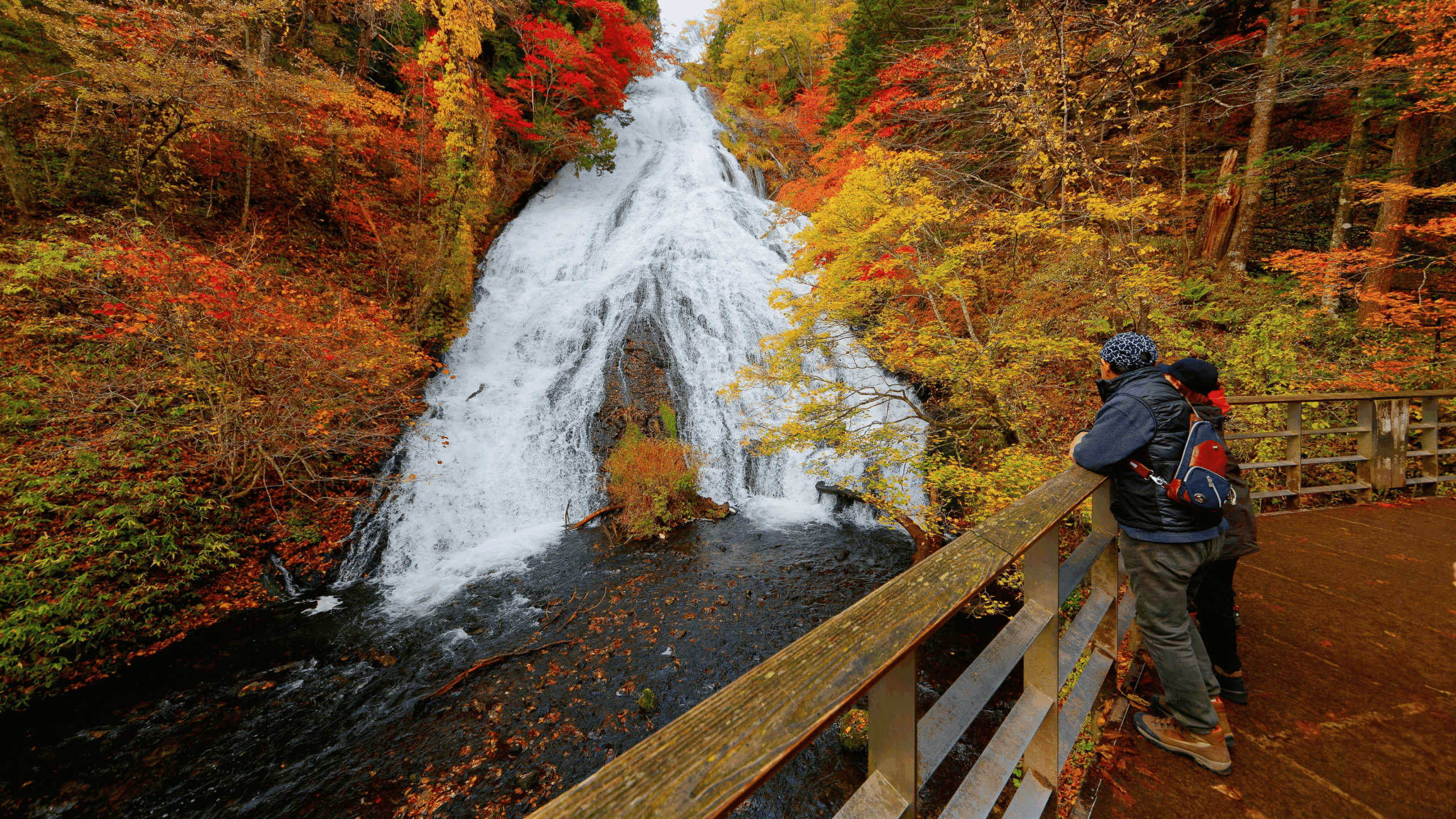
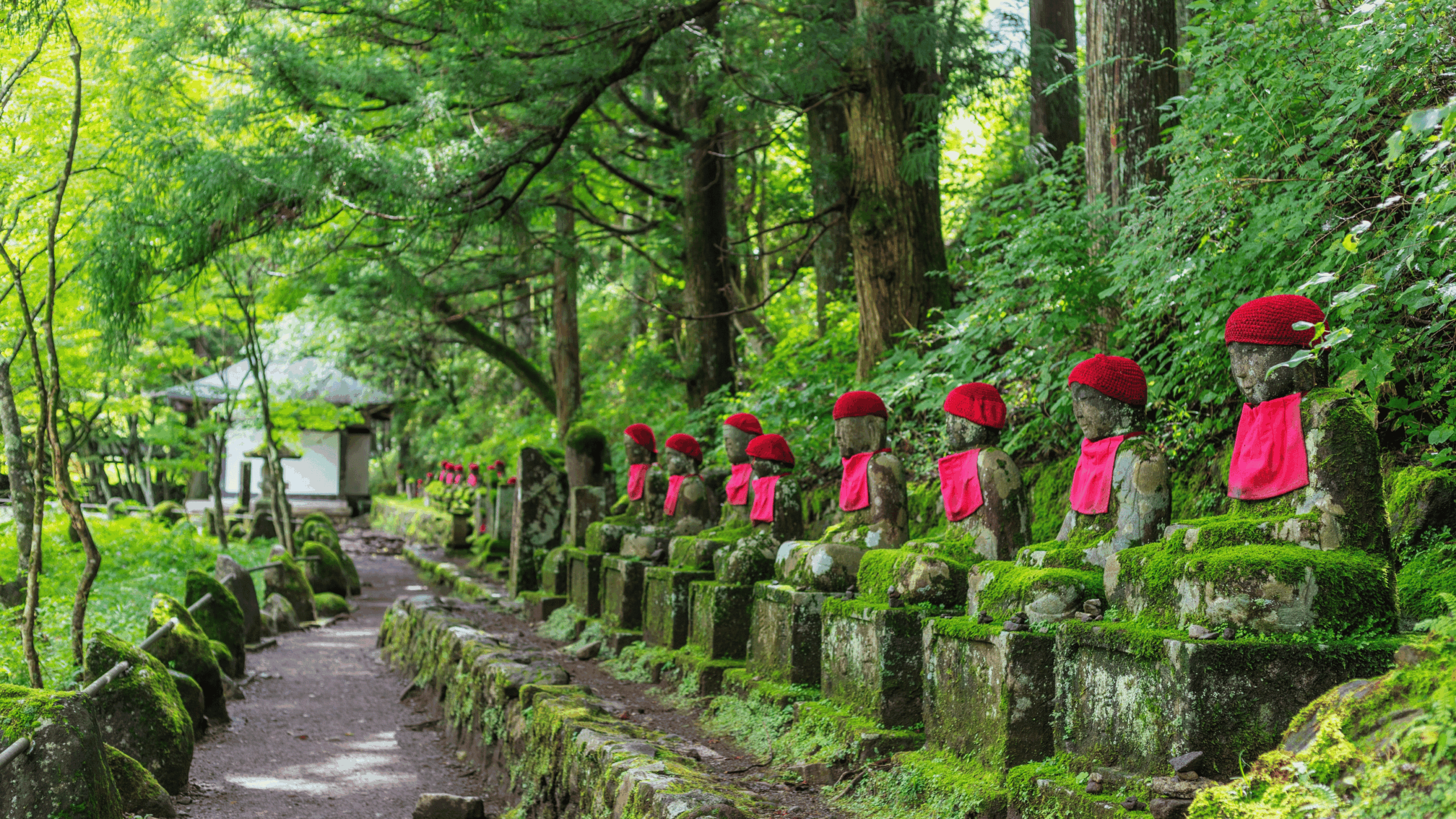
- Visit Nikkō’s UNESCO-listed temples and mountain shrines
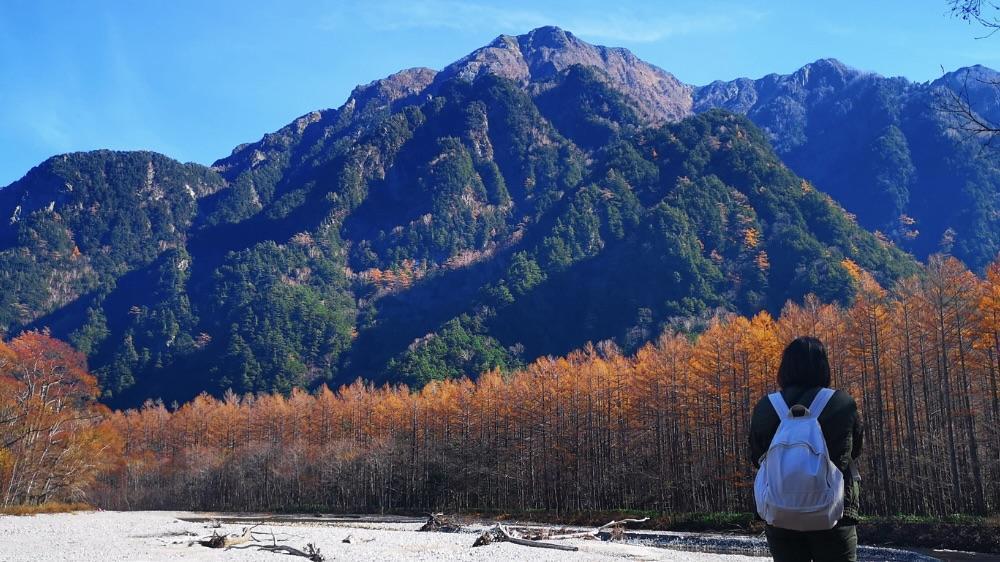
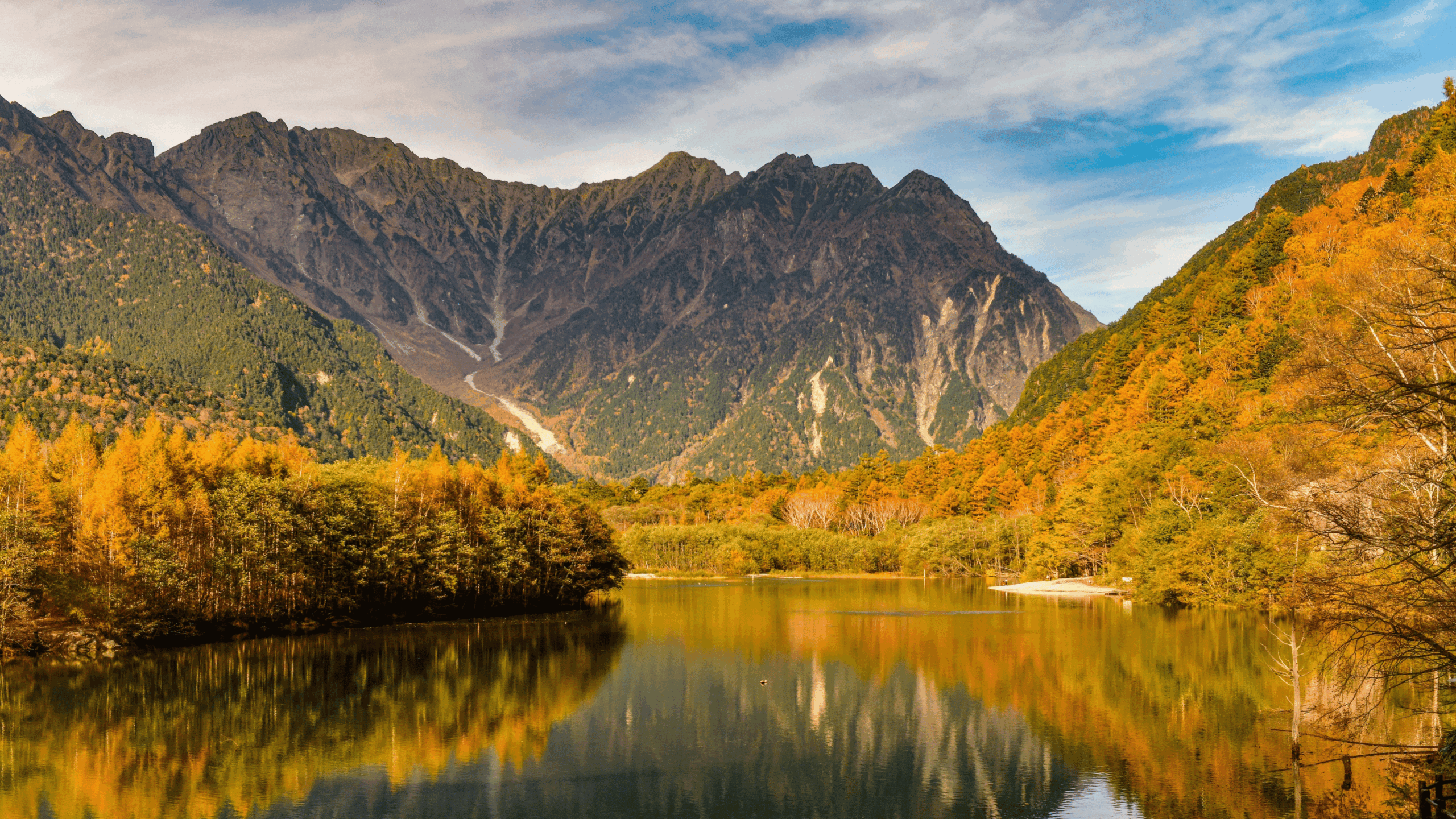
- Kamakochi Valley Adventure: Wander through the pristine Kamakochi Valley and rejuvenate in soothing onsen hot springs amidst the Japanese Alps.
- Kyoto & Nara Cultural Exploration: Enjoy free time to explore the rich cultural heritage of Kyoto and Nara.
- Authentic Japanese Experience: Enjoy a home visit and cooking class in Biwa-ko, immersing yourself in genuine Japanese hospitality.
- Temple Stay: Stay overnight in a traditional Buddhist temple and partake in a morning prayer ceremony for a deeper spiritual insight.
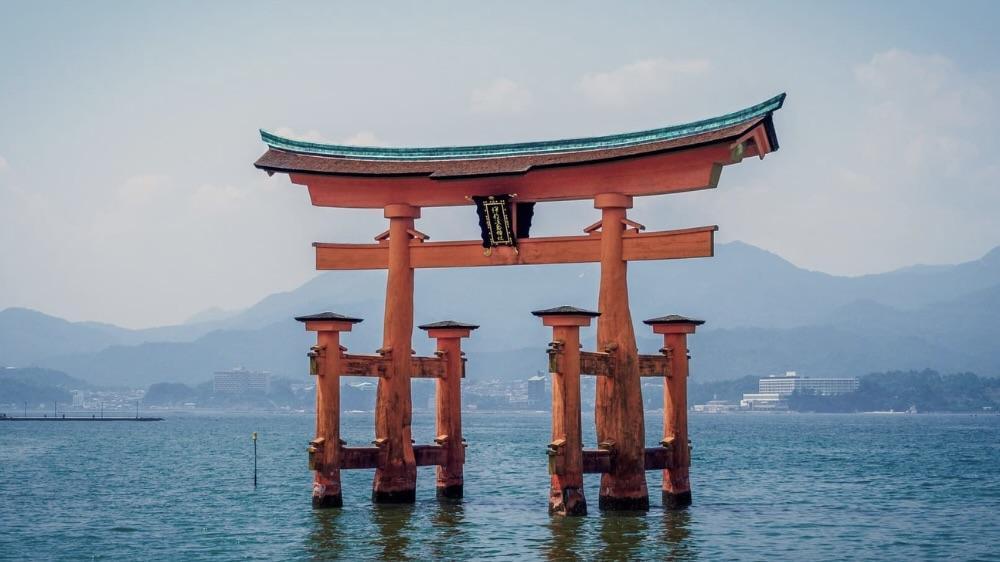
- Scenic Miyajima Island: Visit Miyajima, renowned for its picturesque shrines, including the floating Itsukushima Shrine, and savour the island’s famous oysters.
Overview
Japan offers an extraordinary balance of ancient tradition, refined cuisine and striking natural landscapes. Our Spirit of Japan journey explores this diversity, travelling from the energy of Tokyo to the cultural heart of Kyoto, the mountain landscapes of the Japanese Alps and the historic trails of central Japan.
Limited to just 12 guests, the journey combines carefully chosen cities, historic towns and scenic regions, accompanied by Walkabout hosts and knowledgeable local guides.
From Tokyo to the Mountains
Our journey begins in Tokyo, one of the world’s most dynamic cities. From here we travel north to Nikkō, a historic mountain town known for its richly decorated UNESCO-listed temples and shrines, set among forested hills, waterfalls and sacred mountains.
Continuing into the mountains we visit Yudanaka, home to the famous snow monkeys, before arriving in the castle town of Matsumoto, gateway to the Japanese Alps.
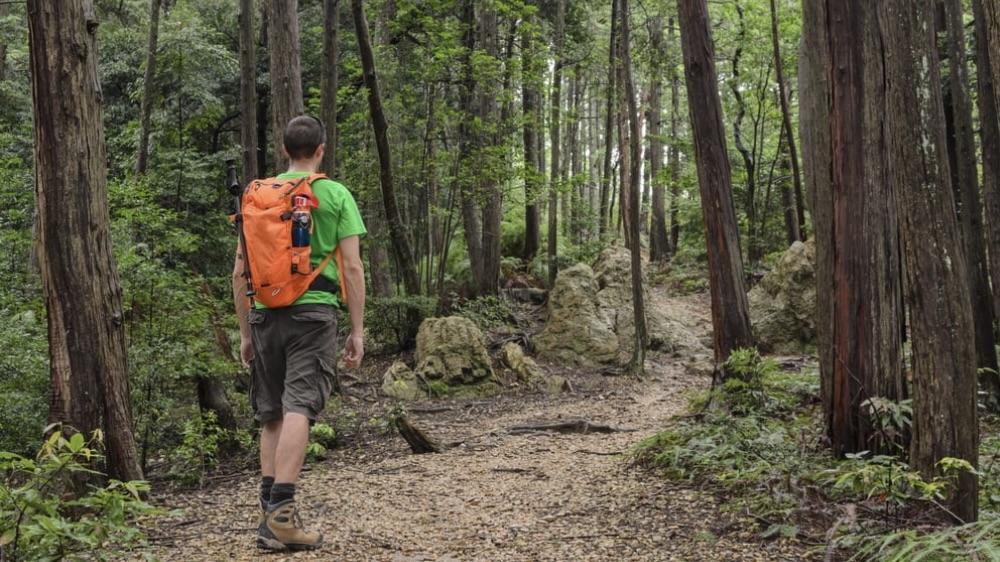
One of the highlights of this region is Kamikochi Valley, a beautiful alpine landscape of clear rivers, forest trails and dramatic peaks. Here we also experience a traditional onsen hot spring bath — an essential part of Japanese culture.
Traditions, Culture and Everyday Life
The journey also offers opportunities to experience Japanese culture more personally.
Near Lake Biwa we visit a local home for a cooking experience and meal with our hosts — a warm introduction to Japanese hospitality and regional cuisine.
Another memorable experience is an overnight stay in a Buddhist temple, where guests may attend the morning prayer ceremony and gain insight into Japan’s spiritual traditions.
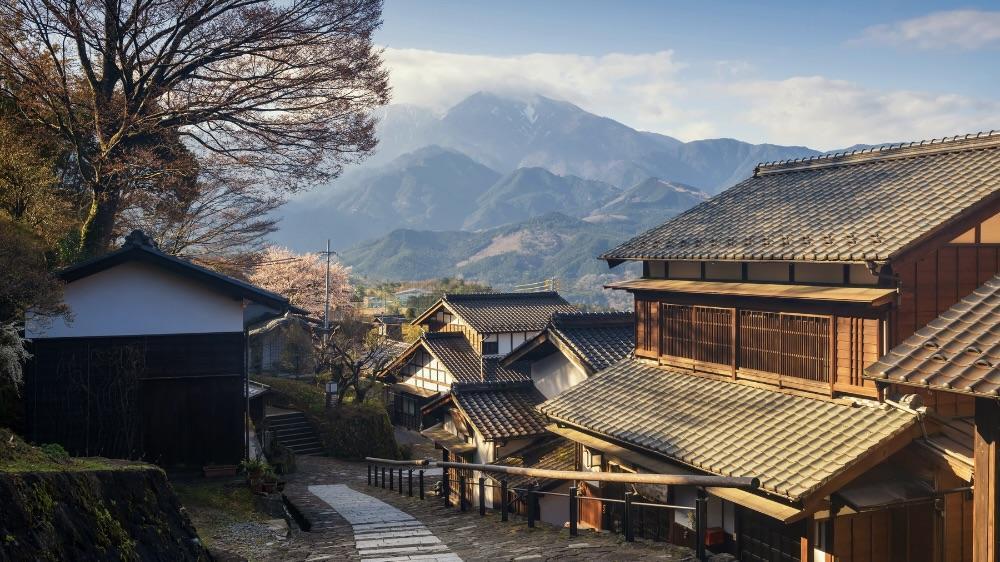
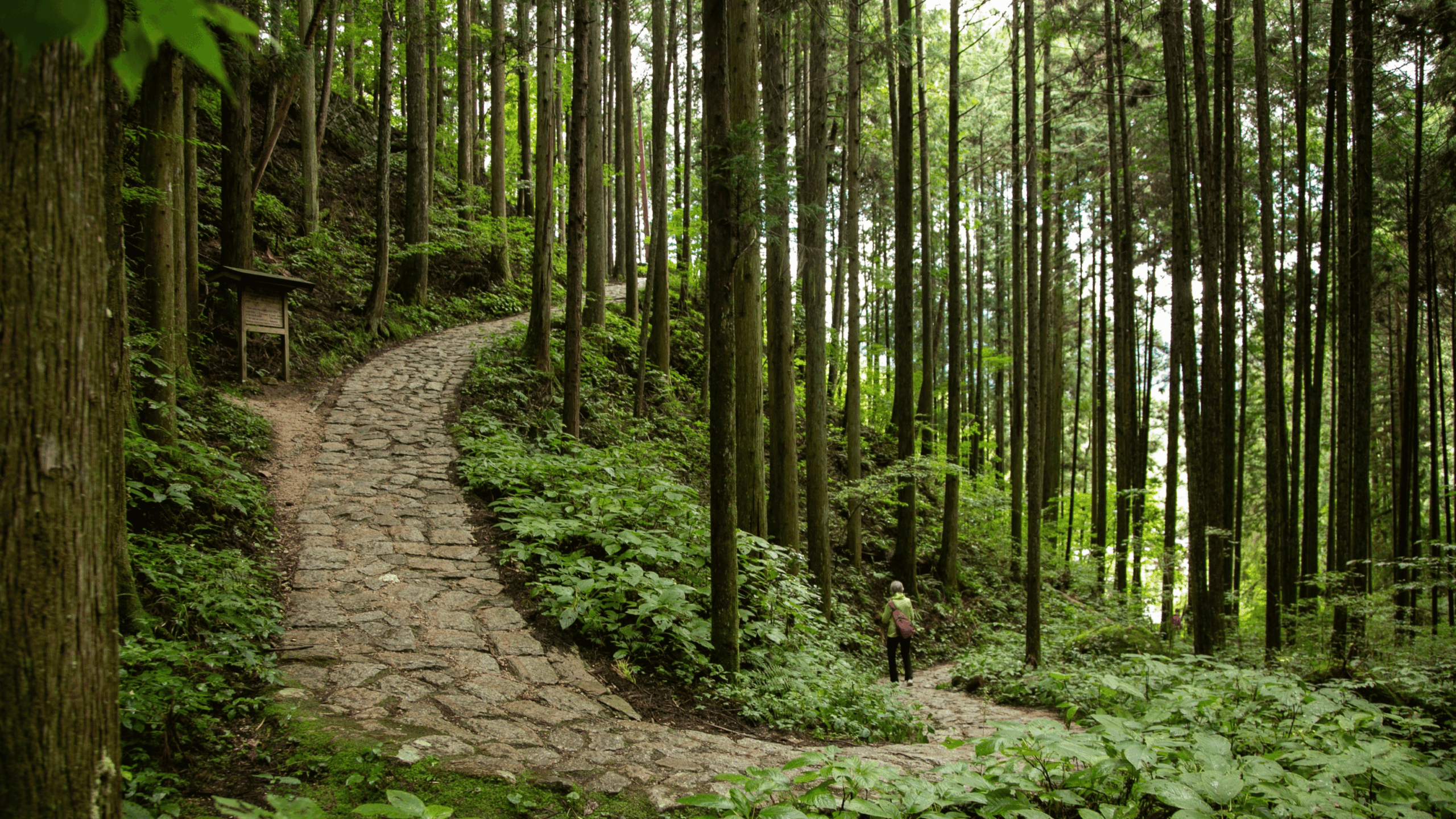
We also walk a section of the historic Nakasendo Way, once travelled by samurai and merchants moving between Kyoto and Edo (modern Tokyo).
Japan’s Cultural Heart
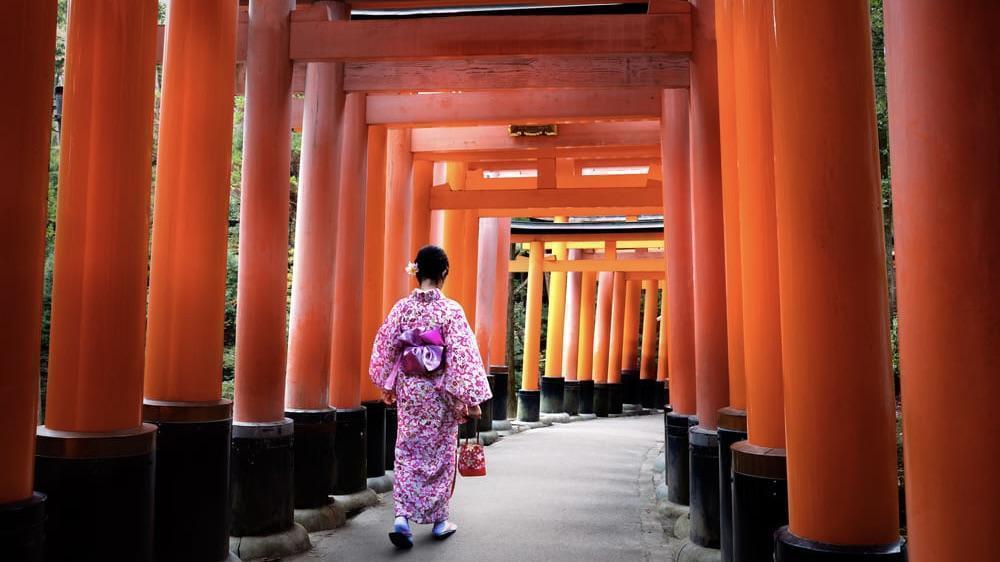
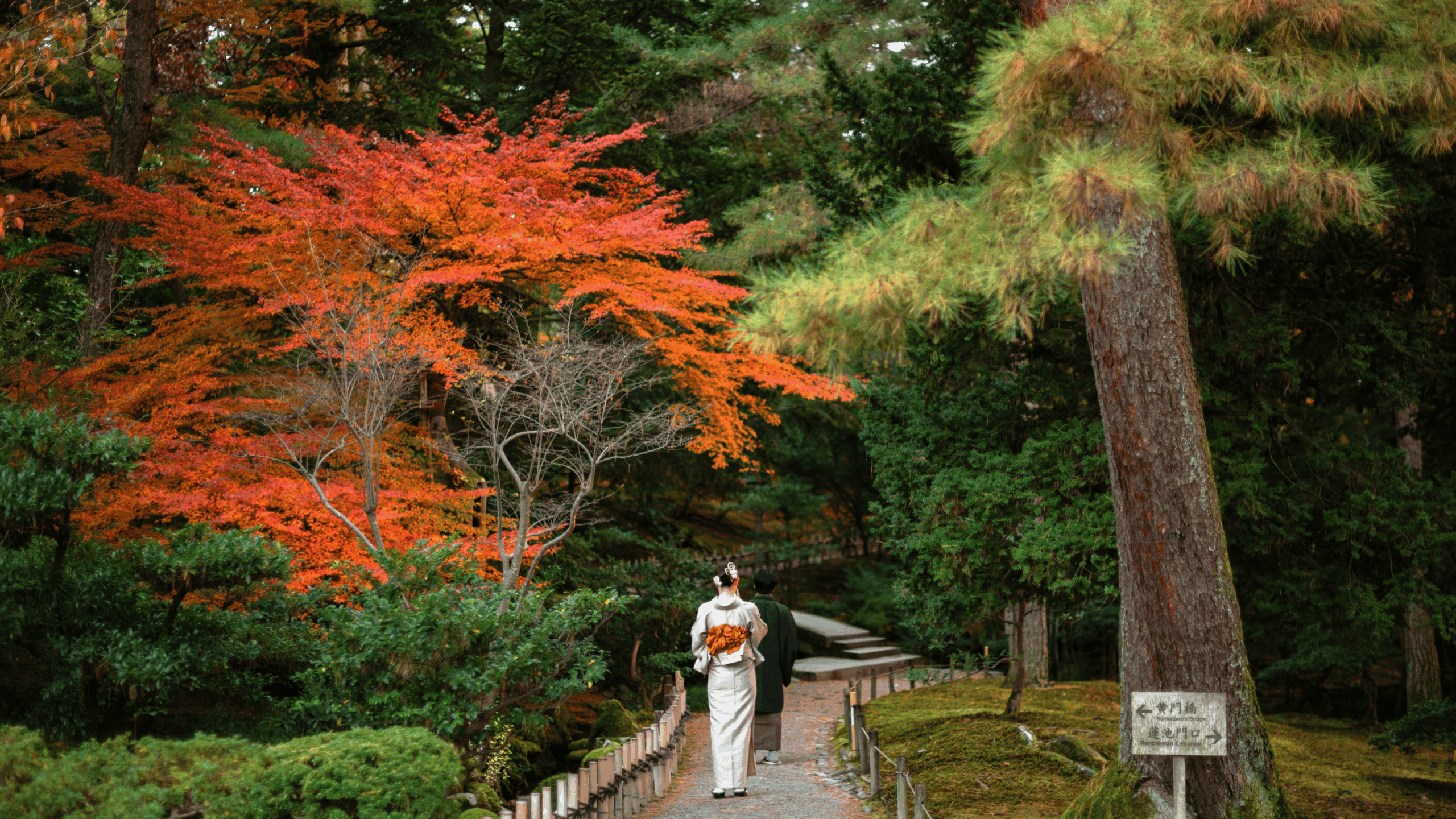
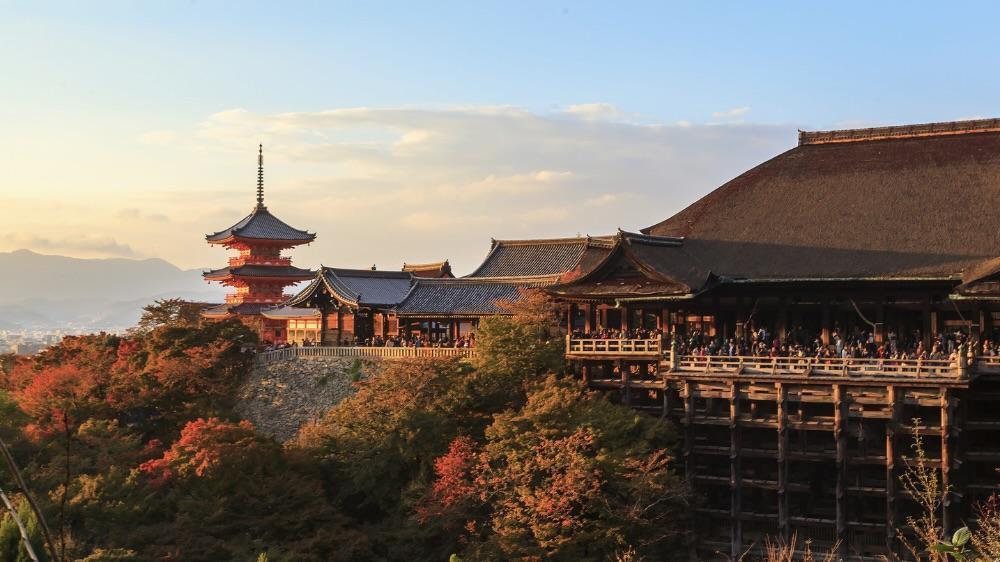
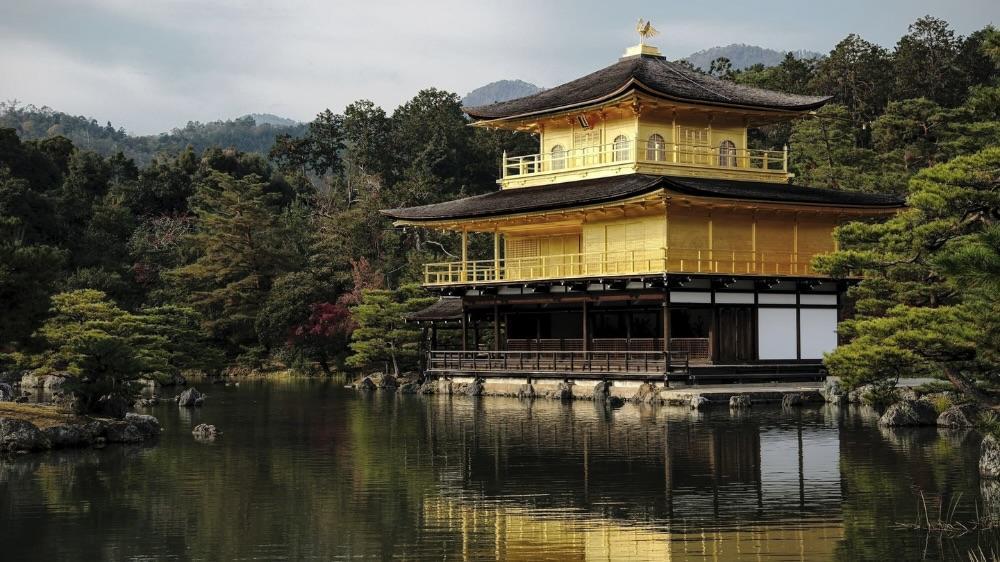
Our travels then continue to Kyoto and Nara, centres of Japan’s cultural heritage, where temples, gardens and traditional neighbourhoods reflect centuries of history.
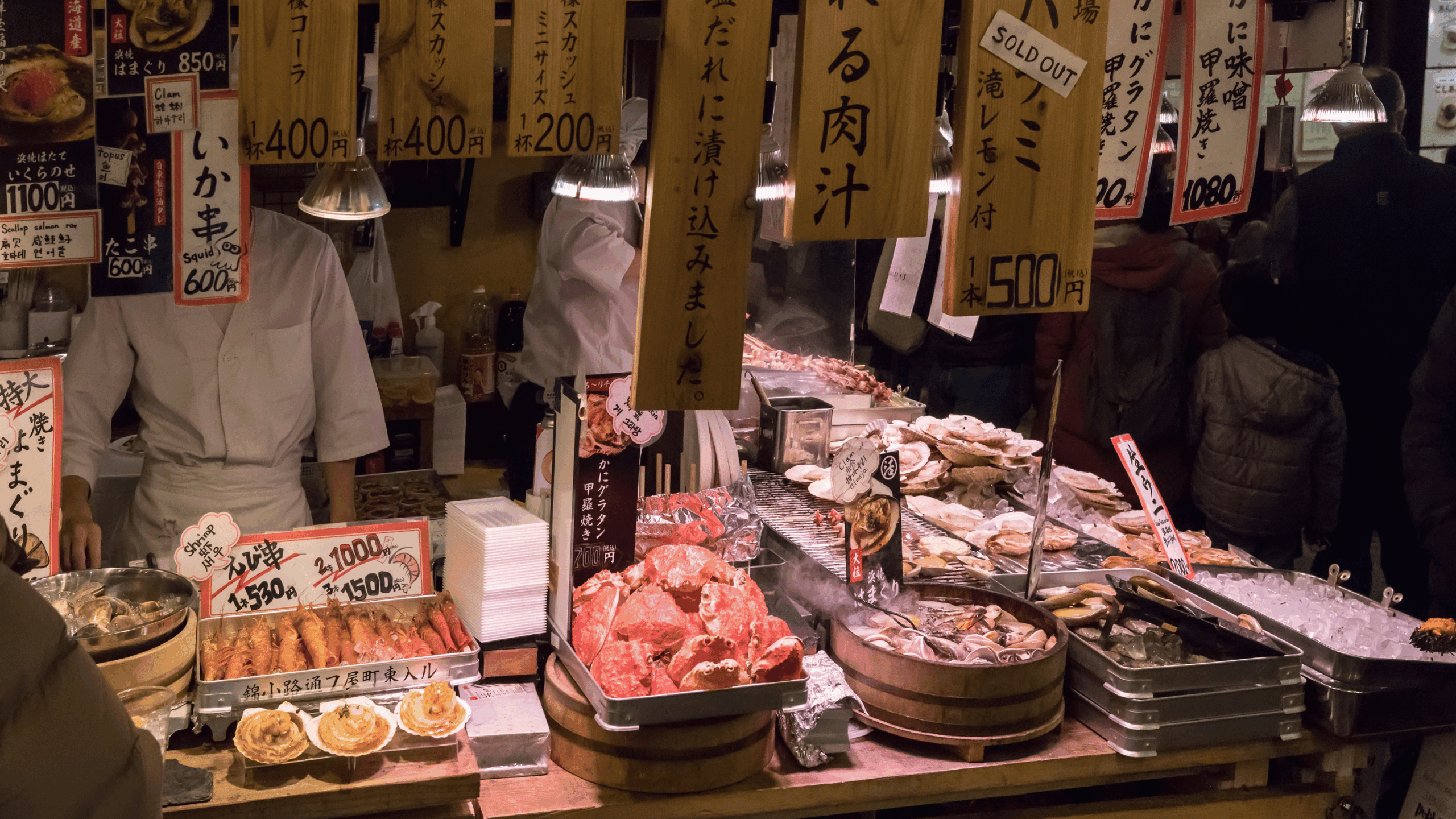
We also spend time in Osaka, one of Japan’s great culinary cities, known for its lively atmosphere and exceptional food culture.
Miyajima and Hiroshima
Towards the end of the journey we visit Miyajima, often considered Japan’s most beautiful island. Its famous Itsukushima Shrine, with its torii gate rising from the sea at high tide, is one of the country’s most iconic sights.
The journey concludes in Hiroshima, where the Peace Memorial offers a moving reminder of history and resilience.
Hotels & Cuisine
Throughout the journey we stay in a combination of traditional Japanese inns (ryokan) and well-located Western-style hotels, all offering private ensuite facilities and modern comforts. This balance allows guests to experience Japan’s traditional hospitality while enjoying comfortable and convenient accommodation.
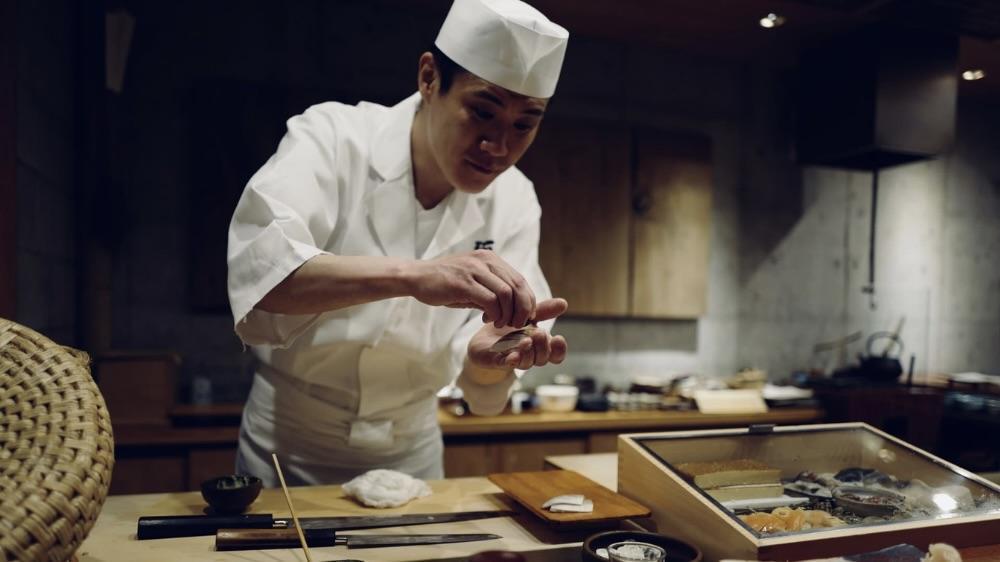
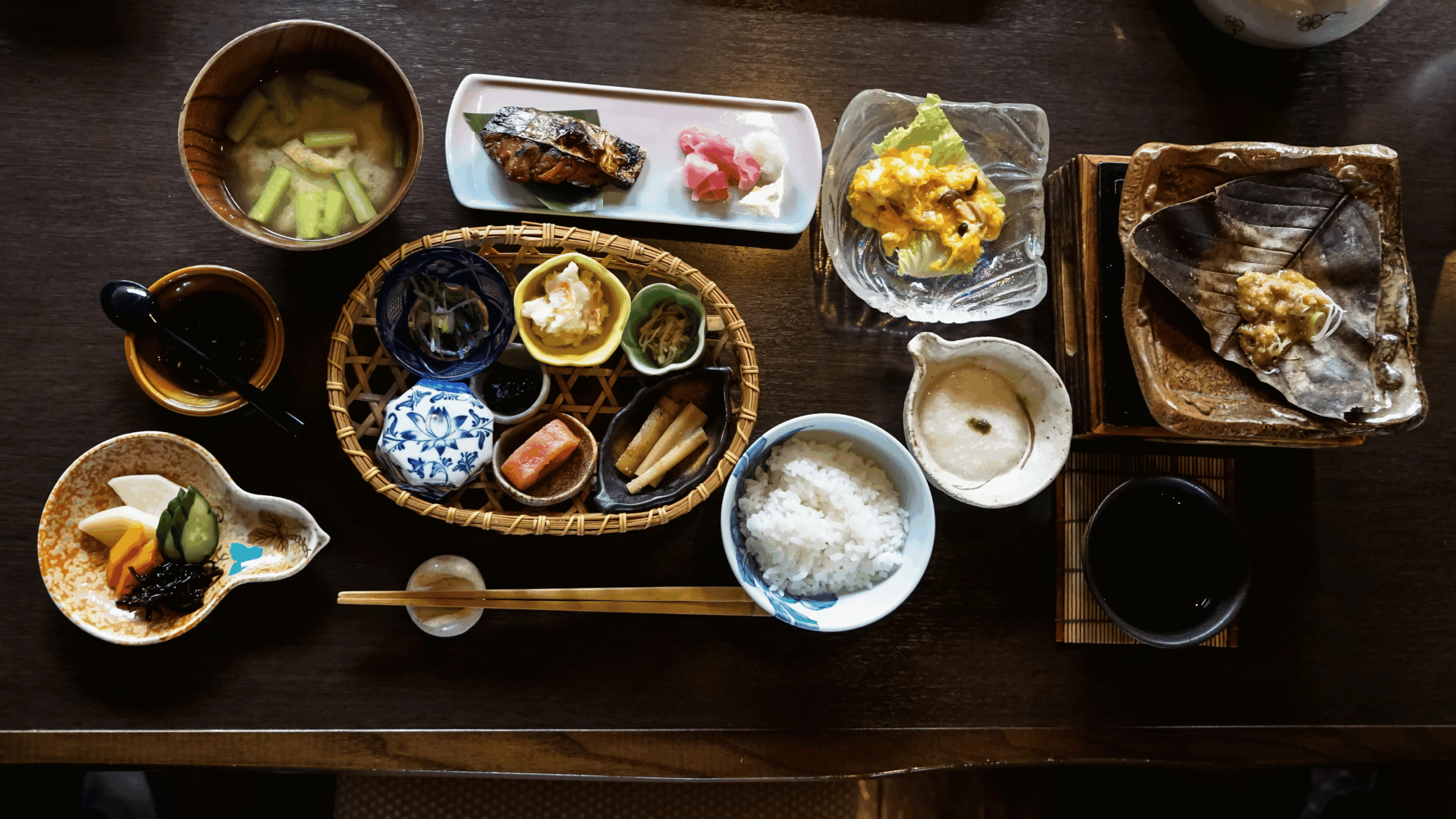
Food is an important part of the journey. Japan’s cuisine varies significantly from region to region, and along the way we enjoy a wide range of local dishes — from simple regional specialities to carefully prepared meals that reflect the seasons.
With the guidance of our knowledgeable local guides, guests are introduced to many of the flavours that make Japanese food culture so distinctive.
Transportation
Travel throughout the journey is primarily by Japan’s excellent rail network, including the famous Shinkansen bullet trains as well as comfortable local trains. These services are fast, efficient and one of the most enjoyable ways to travel through the country.
To make the journey as easy as possible, luggage is transferred separately between several destinations, allowing guests to travel comfortably with just an overnight bag when required.
Where rail connections are not practical, private transport is arranged to ensure smooth and convenient travel between locations.
tokyo
Shinjuku Prince Hotel
Nikko
Nikko Station Hotel
Yudanaka
Issa no Komichi
Matsumoto
Onyado Nono Hotel
kyoto
Daiwa Roynet
kyoto
Shukubo Chion-in
Nara
Nara Hotel
osaka
Hotel Citadines
Miyajima
Hotel Villa Miyajima
hiroshima